
APUSH Unit 1: Native People and Exploration
A heavily visual deep-dive on Period 1 (1491-1607): native societies before contact, why Europe sailed, Columbus and the Columbian Exchange, Spanish conquest and labor systems, and the five rival nations that claimed America.
Spinning up the 3D globe, simulations, scrollytelling, and 60+ widgets. We'll bring you back to where you left off when this finishes.
APUSH Unit 1 · Period 1
Native People and Exploration
1491 to 1607
Why the period starts in 1491
One year before Columbus. Historians picked that date on purpose: it forces you to see the Americas as a full, functioning world of 50 to 100 million people first, and only then watch Europe arrive. That framing (vibrant native cultures, then catastrophic contact) is the modern historical view, and it is exactly how your test will frame it too.
The period ends in 1607 with Jamestown, the first permanent English settlement, because that is where the story of the future United States formally begins.
Where it all happened
Drag to spin. Scroll to zoom. Click any marker for context. The glowing arcs show four journeys that made this period: the ancient migration from Asia, Columbus’s 1492 crossing, and the two conquests that toppled empires.
Master timeline, 1491 to 1607
Scrub through the whole unit once now, then come back after each section and watch the story assemble itself.
Learning objectives
By the end of this guide you will be able to:
- Explain how environment shaped the distinct native culture regions of North America (Southwest, Northwest, Plains, Mississippi Valley, Northeast, Atlantic Seaboard).
- Name the three great civilizations of Central and South America and what they had in common.
- List the four European developments that made exploration possible: Renaissance technology, religious rivalry, blocked trade routes, and rising nation-states.
- Walk through Columbus’s story: funding, the 1492 voyage, the four disappointing follow-ups, and why he still matters.
- Diagram the Columbian Exchange in both directions and explain why disease was its deadliest cargo.
- Explain the line of demarcation and the Treaty of Tordesillas.
- Track the conquistadores (Balboa, Magellan, Cortes, Pizarro, Coronado) and the labor systems they built (encomienda, asiento).
- Retell the Las Casas story: the New Laws of 1542 and the Valladolid Debate.
- Compare Spanish, English, and French policy toward Native Americans, and describe how natives responded.
- Argue both sides of the “Was Columbus a great hero?” debate like a historian.
TL;DR
In 1491 the Americas held 50 to 100 million people: three advanced civilizations to the south (Maya, Aztec, Inca) and hundreds of diverse societies north of Mexico, each shaped by its environment. Europe, meanwhile, was transformed by the Renaissance (compass, better ships, printing press), religious zeal (the reconquest of Spain, then the Protestant Reformation), blocked trade routes (Constantinople fell to the Ottomans in 1453), and new nation-states hungry for revenue. In 1492 Spain funded Columbus, who hit the Bahamas believing it was Asia. Contact triggered the Columbian Exchange: corn, potatoes, tomatoes, and tobacco flowed east; horses, pigs, sugar cane, guns, and above all germs flowed west. European diseases killed over 90 percent of the native population. Spain and Portugal split the globe with the Treaty of Tordesillas (1494). Spanish conquistadores toppled the Aztecs (1521) and Incas (1532), then extracted labor through the encomienda system and imported enslaved Africans through the asiento. The priest Bartolome de Las Casas fought back with the New Laws of 1542 and the Valladolid Debate (1550-1551). England (Cabot, Roanoke), France (Verrazano, Cartier), and the Netherlands (Hudson) staked rival claims, each treating natives differently: Spain subjugated, England expelled, France allied and traded. The period closes with Spain’s St. Augustine (1565) thriving and England finally planting Jamestown (1607).
Glossary
Every one of these can appear on your test. Hover each card, then hit the flashcards at the end until they are automatic.
Maize (corn) Land bridge (Beringia) Adena-Hopewell Cahokia Iroquois Confederation Longhouse Renaissance Reconquista Protestant Reformation Nation-state Prince Henry the Navigator Columbian Exchange Line of demarcation Treaty of Tordesillas Conquistadores Encomienda Asiento New Laws of 1542 Valladolid Debate Northwest PassageSection 1 · America in 1491
Topics 1.1 + 1.2
A Full World Before Contact
Migration from Asia, three great civilizations, and a continent of societies each shaped by its environment.
1.1 The first Americans
The original discovery and settlement of the Americas happened at least 10,000 years before Columbus was born (some archeologists say 40,000). Migrants from Asia crossed the land bridge between Siberia and Alaska, then spread all the way to the southern tip of South America, splitting into hundreds of tribes, languages, and cultures along the way.
1.2 Three great civilizations of the south
The native population was concentrated in three highly developed civilizations. Learn all three plus the four things they shared.
A.D. 300 to 800
Mayas
- Remarkable cities in the rain forests of the Yucatan (Guatemala, Belize, southern Mexico)
- Declined centuries before the Aztecs rose
- Staple crop: corn (maize)
1300s to 1521
Aztecs
- Powerful empire in central Mexico
- Capital Tenochtitlan: about 200,000 people, as large as Europe’s biggest cities
- Staple crop: corn (maize)
1400s to 1532
Incas
- Vast empire in South America, based in Peru
- Andean roads, terraces, and administration
- Staple crop: potatoes
1.3 North America: environment builds culture
North of Mexico there was no single “Native American culture.” There were hundreds of societies, and each one’s food, housing, and politics grew out of its environment. That cause-and-effect link (geography shapes culture) is the core skill Topic 1.2 tests.
The six regions your test will ask about
Each card: the environment, the adaptation, and the detail graders love.
🏜️ Southwest
dry + hot- Who: Hohokam, Anasazi, Pueblos (present-day New Mexico and Arizona)
- Adaptation: farming with irrigation systems in a dry land
- Homes: caves, cliff dwellings, multistoried stone and masonry buildings
- Test detail: extreme drought plus hostile neighbors weakened them before Europeans ever arrived, but their stone dwellings preserved their way of life
🌲 Northwest Coast
wet + rich- Where: Pacific coast, Alaska down to northern California
- Adaptation: rich diet from hunting, fishing, and gathering nuts, berries, roots
- Homes: permanent longhouses or plank houses
- Test detail: carved totem poles to preserve stories, legends, and myths; high mountains isolated tribes from one another
🦬 Great Plains
grassland- Two lifestyles: nomadic buffalo hunters in tepees (easily moved) vs sedentary farmers in earthen lodges along rivers, raising corn, beans, and squash
- The buffalo supplied: food, decorations, crafting tools, knives, clothing
- Test detail: no horses until the 17th century, acquired from the Spanish. Then tribes like the Lakota Sioux dropped farming to follow the buffalo. Migration was common (the Apaches drifted from Canada to Texas).
⛰️ Mississippi + Ohio Valleys
river country- Who: Woodland peoples, the Adena-Hopewell culture (centered in Ohio)
- Adaptation: rich food supply from hunting, fishing, and farming supported permanent settlements
- Famous for: earthen mounds up to 300 feet long
- Test detail: Cahokia (near East St. Louis) held as many as 30,000 people
🌰 Northeast
woodlands- Who: descendants of Adena-Hopewell who spread into New York; combined hunting and farming
- Test detail: their farming exhausted the soil quickly, forcing frequent moves to fresh land
- Homes: longhouses up to 200 feet, holding families related through the mother
- Star of the region: the Iroquois Confederation (more below)
🌊 Atlantic Seaboard
coast + rivers- Where: New Jersey south to Florida, the Coastal Plains
- Who: many were descendants of the Woodland mound builders
- Homes: timber and bark lodgings along rivers
- Adaptation: rivers and the Atlantic provided a rich food supply
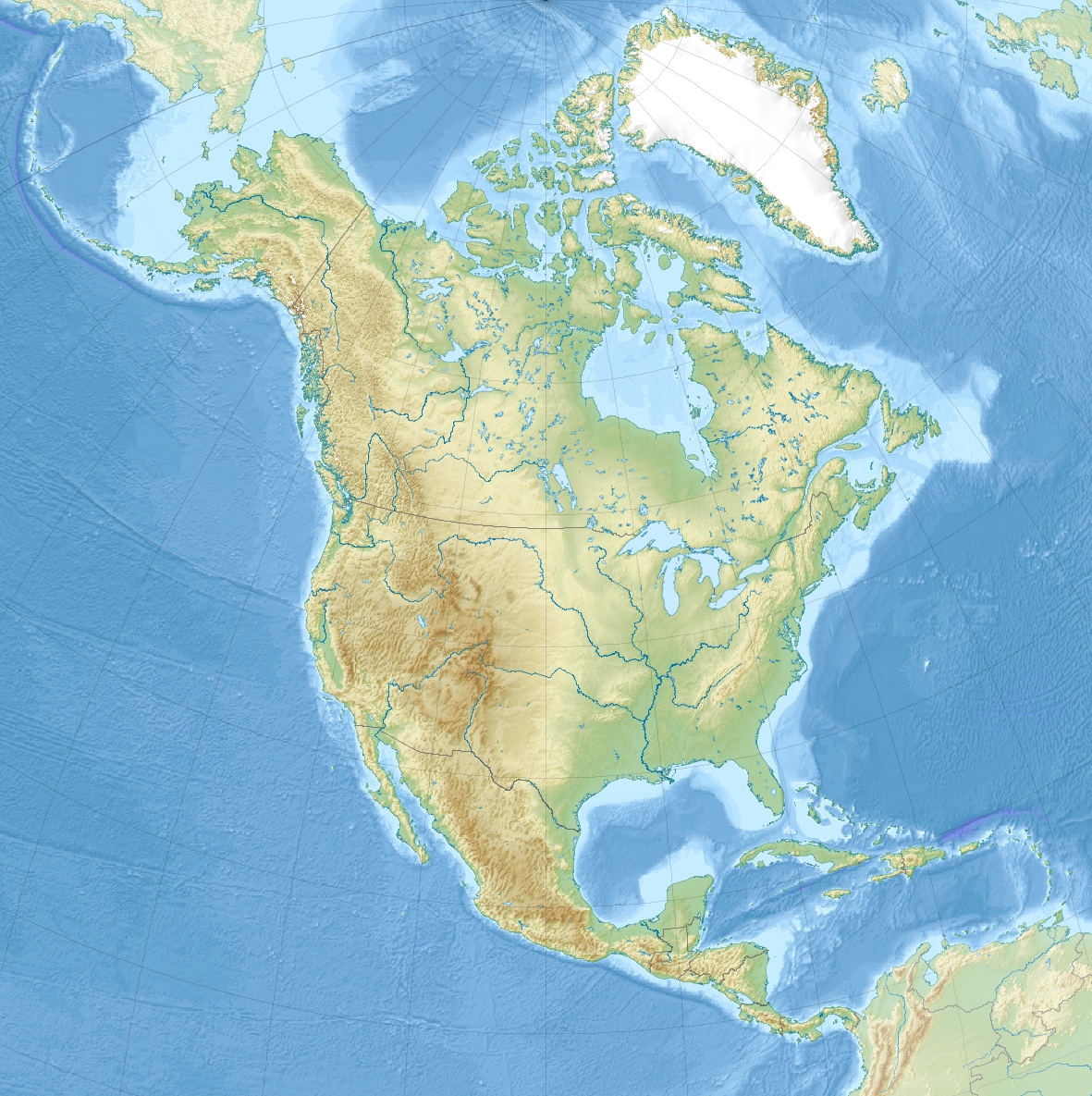
Pin the regions on the map
Quiz mode: the component names a region, you click where it belongs. Environment first, name second.
Which region am I?
Read the clue, answer yes or no, and let the key classify the culture. This is exactly how the exam frames region questions: traits first, names second.
Identify the culture region from its traits
Click to answer. Each answer narrows the identification.
1.4 One continent, 400 languages
Do not let the word “Indians” flatten this world into one culture. Language proves the diversity.
1.5 Spotlight: the Iroquois Confederation
The most politically sophisticated group north of Mexico, and the single most name-dropped native group on APUSH tests.
The Five Nations
- Seneca
- Cayuga
- Onondaga
- Oneida
- Mohawk
Mnemonic: SCOOM
Why they matter
- A true political union of five independent tribes, based in the Mohawk Valley of New York
- Lived in longhouses up to 200 feet long, families linked through the mother
- A powerful force from the 16th century through the American Revolution, battling rival natives and Europeans alike
- The rare exception to the rule that tribes did not unite
Section 1 self-quiz
America in 1491
0 of 8 answered
- 01
Why did native societies north of Mexico generally stay smaller than the Maya, Aztec, and Inca civilizations?
- 02
Which pairing of civilization and staple crop is correct?
- 03
The Hohokam, Anasazi, and Pueblo peoples are best known for
- 04
Before the 17th century, Great Plains hunters pursued buffalo without
- 05
Cahokia, near present-day East St. Louis, is evidence that
- 06
Which factor best explains why Native American efforts to unite against Europeans were rare?
- 07
American Indian languages in 1491 belonged to
- 08
Which region's peoples carved totem poles to preserve stories and legends?
Section 2 · Why Europe Sailed
Topic 1.3 · Causes
God, Gold, and Glory
Four changes inside Europe made 1492 possible. Your test will ask you to name them and connect them.
Until the late 1400s, the people of the Americas and the people of Europe, Africa, and Asia had no knowledge of each other. (Vikings touched Greenland and North America around the year 1000, but nothing lasting came of it.) Then four changes inside Europe converged, and the ocean stopped being a wall.
2.1 The big picture: three motives
God
Spread Christianity to Africa, Asia, and the Americas. After the Reformation, Catholics and Protestants raced each other to convert the world.
Gold
Riches: direct sea trade with Asia, then American gold and silver. Monarchs needed revenue and merchants wanted markets.
Glory
National and personal prestige for the new nation-states and the captains who sailed for them.
It is 1492 and you are boarding a ship into the unknown. What actually gets you on deck?
2.2 The four enabling changes
Motives are wishes. These four changes turned wishes into fleets. Click through each one.
The causal chain in one picture
2.3 Portugal’s head start and the birth of the slave trade
Portugal solved the Asia problem first, and in doing so built the machine that would later be bolted onto the Americas.
The eastern route
- Prince Henry the Navigator sponsors voyages down the West African coast
- The route opens around South Africa’s Cape of Good Hope
- 1498: Vasco da Gama becomes the first European to reach India by sea
- Portugal’s bet (south and east is shortest) beats Columbus’s bet (west is shortest)
The sugar-and-slavery template
- In the 1400s the Portuguese begin trading for enslaved people from West Africa
- They put slave labor on sugar plantations on the Madeira and Azores islands
- Sugar plus slavery is so profitable that Europeans later copy the whole system in the Americas
- African resistance from the start: running away, sabotaging work, revolting, and keeping African music, religion, and folkways alive for generations
Section 3 · Contact
Topic 1.4
1492 and the Columbian Exchange
One voyage connects two biospheres that had been separated for 10,000 years. Everything on both sides changes.
3.1 Columbus, the short honest version
Fund me and I will reach the Indies by sailing west. The route will be shorter than Portugal’s path around Africa.
We just took Granada. Spain is united, Catholic, and confident. Give him the three ships. If he is right, we beat Portugal to Asia.
The deal: Columbus gets ships plus the titles of governor, admiral, and viceroy over whatever he claims for Spain. He sails from Palos in August 1492, restocks in the Canary Islands, and after thirty-three days at sea lands on an island in the Bahamas on October 12, 1492.
People had been living in the Americas for at least 10,000 years, and Vikings had already touched North America around the year 1000. What Columbus actually started, and what historians credit him with, is permanent interaction between the hemispheres. That is why the period begins in 1491: to make you look at the full world that was already here.
3.2 A century of crossings
Press play. Each arc is a voyage that created a national claim. Spanish voyages in red, everyone else in black. Watch how long England, France, and the Netherlands let Spain run unopposed.
The race across the Atlantic, 1492 to 1609
- 1492 · Columbus to the Bahamas (Spain), from coordinates 37.23, -6.89 to coordinates 24.05, -74.53.
- 1497 · John Cabot to Newfoundland (England), from coordinates 51.45, -2.6 to coordinates 48.65, -53.1.
- 1513 · Ponce de Leon probes Florida (Spain), from coordinates 18.4, -66.1 to coordinates 28, -81.5.
- 1524 · Verrazano finds New York harbor (France), from coordinates 49.93, 1.08 to coordinates 40.6, -74.
- 1534 · Cartier up the St. Lawrence (France), from coordinates 48.65, -2.03 to coordinates 46.8, -71.2.
- 1565 · Menendez founds St. Augustine (Spain), from coordinates 36.5, -6.3 to coordinates 29.9, -81.31.
- 1587 · Raleigh's Roanoke attempt (England), from coordinates 50.37, -4.14 to coordinates 35.9, -75.67.
- 1607 · Jamestown (England), from coordinates 51.5, -0.1 to coordinates 37.21, -76.78.
- 1609 · Hudson up the Hudson River (Netherlands), from coordinates 52.37, 4.9 to coordinates 40.7, -74.
3.3 The Columbian Exchange
The most important concept in Unit 1. Watch the mini-cartoon, then memorize the two-way table below it.
The Columbian Exchange (mini)
The two-way table (memorize both columns)
Americas → Old World
- 🌽 Corn (maize)
- 🥔 Sweet and white potatoes
- 🍅 Tomatoes
- 🫘 Beans
- 🚬 Tobacco
- 🦠 Syphilis (the one disease going east)
Effect: European and Asian populations boom on new calories
Old World → Americas
- 🐎 Horses (transform Plains life)
- 🐖 Pigs and livestock
- 🎋 Sugar cane and bluegrasses
- ⚙️ The wheel and iron implements
- 🔫 Guns
- 🦠 Smallpox and measles: deadlier than every gun combined
Effect: native population collapses; entire tribes disappear
The demographic catastrophe, charted
Historians’ estimates vary, but the shape of this line is the single most important fact of the period. The native population of the Americas fell by more than 90 percent after contact, overwhelmingly from disease.
Native population of the Americas after contact (historian estimates, millions)
3.4 Dividing the world with a ruler
Spain and Portugal both claimed the new lands. Being Catholic monarchies, they asked the pope to referee.
The line of demarcation (1493) and the Treaty of Tordesillas (1494)
Simplified diagram. The 1494 treaty shifted the pope’s 1493 line west, which is exactly why Brazil speaks Portuguese today.
Sections 2 + 3 self-quiz
Exploration causes and contact
0 of 8 answered
- 01
Which event in 1453 pushed Europeans to seek new routes to Asia?
- 02
Europeans improved two key technologies that were originally invented in China. They were
- 03
What did the completion of the Reconquista at Granada in 1492 signal for Spain?
- 04
The Portuguese sugar plantations on the Madeira and Azores islands mattered because they
- 05
Columbus died in 1506 believing that he had
- 06
Which item moved from the Americas to the Old World in the Columbian Exchange?
- 07
The main cause of the 90 percent decline in the native population after contact was
- 08
The Treaty of Tordesillas (1494)
Section 4 · Conquest and Labor
Topic 1.5
Conquistadores, Encomienda, Asiento
How a few thousand Spaniards toppled two empires, got rich, and built labor systems the world is still reckoning with.
4.1 The conquistador roster
Spain’s dominance rested on more than the pope’s line. These are the names to know cold.
1513
Vasco Nunez de Balboa
Crossed the Isthmus of Panama and became the first European to see the Pacific Ocean from the Americas.
1519 to 1522
Ferdinand Magellan
His expedition completed the first circumnavigation of the world. Test trap: Magellan himself died before the trip finished. One of his ships made it.
1519 to 1521
Hernan Cortes
Conquered the Aztecs in Mexico. Tenochtitlan fell in 1521.
1532
Francisco Pizarro
Conquered the Incas in Peru. Andean silver would bankroll Spain for a century.
1540 to 1542
Francisco Coronado
Marched through the Southwest hunting golden cities. His own report: “there is not any gold nor any other metal in all that country.” Exploration, not settlement.
Mnemonic
Keep them straight
Cortes crushed the Aztecs (C comes before A… no it does not, but “Cortes conquered the Corn empire” does work). Pizarro pounded Peru. Balboa beheld the Big blue Pacific.
4.2 What the gold did
4.3 The labor systems, step by step
This sequence is the heart of Topic 1.5. Click through the cycle.
4.4 The caste system of New Spain
Because few Spanish families emigrated, Spanish men intermarried with natives and Africans, producing a rigid class hierarchy dominated by pure-blooded Spaniards. Your class (Topic 1.5 in the current AMSCO edition) names the layers.
Peninsulares
Born in Spain. Held the top government and church offices.
Criollos (Creoles)
Spanish blood, born in the colonies. Wealthy, but locked out of top posts.
Mestizos and Mulattos
Mixed Spanish-native and Spanish-African ancestry. The growing middle layers.
Native Americans and enslaved Africans
The base of the pyramid: the coerced labor force of the whole system.
Status flowed from birthplace and ancestry. Remember the shape, not just the names.
4.5 The dissenter: Bartolome de Las Casas
One European stood against the mainstream view. He is the most quoted primary source in Unit 1, so meet him properly.
His resume is the twist: he owned land and slaves in the West Indies and fought in wars against the Indians. Then he changed, became a priest and advocate, and spent his life fighting for native rights.
The Indians are completely human and morally equal to Europeans. Enslaving them is not justified, by any law of God or man.
They are less than human. They benefit from serving the Spaniards in the encomienda.
You make the call at Valladolid
You are an advisor to the Spanish king in 1550. Play it out, then read what actually happened.
Advisor to the Crown, Valladolid, 1550
The king has summoned a formal debate. The priest Las Casas argues the Indians are fully human and the encomienda must die. The scholar Sepulveda argues the conquest civilizes lesser beings. Colonial fortunes, church doctrine, and millions of lives ride on the outcome. The king turns to you.
4.6 Read a source like a grader
The AMSCO test questions quote Las Casas directly. Here is the excerpt with the annotations a top scorer would mentally draw. Hover each highlight.
When they fell ill, which was very frequently because they are a delicate people unaccustomed to such work, the Spaniards did not believe them and pitilessly called them lazy dogs, and kicked and beat them; and when illness was apparent they sent them home as useless, giving them some cassava for the twenty- to eighty-league journey. They would go then, falling into the first stream and dying there in desperation; others would hold on longer, but very few ever made it home.
Section 5 · Five Flags over America
Topic 1.6 + settlements
Rival Claims, Rival Policies
Five nations, five strategies, and three very different ways of treating the people already living there.
5.1 The claims, nation by nation
Why England and France started so late
England’s distractions
- Cabot claimed Newfoundland in 1497, then England did nothing with it for decades
- The 1500s were consumed by Henry VIII’s break with the Catholic Church
- Under Elizabeth I, England attacked instead of settled: Sir Francis Drake seized Spanish gold ships and raided Spanish settlements in Peru
- Sir Walter Raleigh’s Roanoke venture (1587) failed: the Lost Colony
France’s distractions
- Verrazano (1524) hunted a Northwest Passage and found New York harbor; Cartier (1534-1542) explored the St. Lawrence
- Then the monarchy sank into European wars and Catholic vs Huguenot religious conflict
- Only in the next century: Champlain founds Quebec (1608) and earns the title Father of New France
- Later still: Jolliet and Marquette (1673) on the upper Mississippi, La Salle (1682) claims Louisiana
5.2 Spain’s actual settlements north of Mexico
Spain settled North America slowly: little mineral wealth, strong native resistance. Four footholds to know.
St. Augustine beat it by 42 years (1565), and Santa Fe was founded just three years after Jamestown. Jamestown is the first permanent English settlement. The qualifier is the whole question.
5.3 The comparison the exam loves most: native policy
Europeans generally looked down on Native Americans, seeing people to exploit for gain, convert to Christianity, or use as military allies. But the three powers ran three very different systems. If you master one table in this unit, make it this one.
Spain: subjugate
- Met large organized empires (Aztec, Inca) it could absorb as a labor force
- Encomienda: forced farm and mine labor
- Mostly single men came, so intermarriage was common: mestizo society plus a rigid caste system
- Conversion campaigns and missions
Natives inside the empire, at the bottom
England: expel
- Settled where there were no large empires to exploit as labor
- Came in families, so little intermarriage
- Early coexistence and trade (natives taught corn growing and forest hunting; furs for iron tools)
- Then land hunger won: settlers occupied land and pushed small tribes inland
Expelled the natives rather than subjugating them
France: ally + trade
- Wanted furs and converts, not plantations
- Built trading posts through the St. Lawrence Valley, Great Lakes, and Mississippi
- Few colonists, farms, or towns, so less threat to native land
- French soldiers even helped the Hurons fight the Iroquois
Best relations of the three, by self-interest
The web of nations and explorers
Every explorer connects to exactly one paymaster nation. Drag the nodes around until the pattern sticks.
5.4 How Native Americans responded
North American tribes saw themselves as distinct groups, not one people, so Europeans rarely faced a unified response. But natives were never passive. Four strategies to know:
Strategic alliance
Seeing Europeans fight each other, some tribes allied with one power against another to survive (Hurons with France; later, Iroquois with England).
Armed resistance
From the strong resistance that delayed Spanish Florida to the later Pueblo Revolt (1680), force was always on the table.
Migration
Many tribes simply moved to new land to get away from encroaching settlers.
Cultural persistence
Natives and enslaved Africans alike resisted oppression by maintaining their cultures: language, religion, music, folkways. This is a Key Concept phrase; use it in essays.
5.5 Historians’ fight: was Columbus a great hero?
The AMSCO chapter ends with a historiography essay, and stimulus questions quote it. Know all three camps.
Traditional view
Hero and discoverer
- Washington Irving’s admiring 1828 biography
- Peak: FDR makes October 12 a national holiday in 1934
- Skilled navigator, daring pioneer of the unknown
Revisionist view (1990s on)
First conqueror
- Right place, right time: if not him, Vespucci or Cabot within years
- A self-promoter exploiting an opportunity
- Harshest version (Stannard): a religious fanatic bent on conversion, conquest, or liquidation
The rebuttal
Man of his time
- Schlesinger: what drove him was the challenge of the unknown, not greed or conquest
- Critics of revisionism say it judges the 1490s by modern values
- Common ground: his voyages created permanent global contact and changed history’s direction
Your verdict on Columbus, knowing everything this unit taught you?
5.6 The primary source reader
Flip through the six documents your test is most likely to quote. Each page ends with the reason it gets tested.
Period 1 in six documents
Period 1 Sources
Six documents your test loves
1 · Columbus's letter, 1493
'Thirty-three days after my departure... I reached the Indian Sea, where I discovered many islands, thickly peopled, of which I took possession without resistance in the name of our most illustrious monarch, by public proclamation and with unfurled banners.'
Why it gets tested: the mindset of claiming inhabited land 'without resistance,' and Columbus's certainty that he had reached Asia ('the Indian Sea').
2 · Columbus's log, October 12, 1492
'I want the natives to develop a friendly attitude toward us because I know that they are a people who can be made free and converted to our Holy Faith more by love than by force. I therefore gave red caps to some and glass beads to others.'
Why it gets tested: point of view (conversion is the goal, kindness is the method) and the powerful group beyond the monarchy he was appealing to: the Church.
3 · Las Casas, c. 1550
'When they fell ill... the Spaniards did not believe them and pitilessly called them lazy dogs, and kicked and beat them... very few ever made it home.'
Why it gets tested: underlying cause of Spanish actions (desire for wealth), intended audience (the monarchs of Spain), and the implied but unstated fact (disease killing millions).
4 · Coronado, c. 1542
'I have treated the natives of this province... as well as was possible, agreeably to what Your Majesty had commanded... And what I am sure of is that there is not any gold nor any other metal in all that country.'
Why it gets tested: Spanish activity in the 1540s was still exploration (not settlement), and explorers depended on the monarchs for support. Note who he reports to.
5 · Richard Hakluyt, 1582
'I marvel not a little... that since the first discovery of America... we of England could never have the grace to set fast footing in such fertile and temperate places... our prisons are pestered and filled with able men... we would hasten the deducting of some colonies of our superfluous people into these temperate and fertile parts of America.'
Why it gets tested: English promotional writing: colonies as an outlet for 'surplus' population, and envy of Spain's head start. Pairs with Roanoke (1587) and Jamestown (1607).
6 · David Stannard, 1992 (secondary source)
'Columbus was, in most respects, merely an especially active and dramatic embodiment of the European... mind and soul of his time: a religious fanatic obsessed with the conversion, conquest, or liquidation of all non-Christians.'
Why it gets tested: recognizing a revisionist secondary source, and the standard criticism of it: judging a 15th-century man outside the context of his period, in highly charged language.
Page 1 of 6
1 · Columbus's letter, 1493
'Thirty-three days after my departure... I reached the Indian Sea, where I discovered many islands, thickly peopled, of which I took possession without resistance in the name of our most illustrious monarch, by public proclamation and with unfurled banners.'
Why it gets tested: the mindset of claiming inhabited land 'without resistance,' and Columbus's certainty that he had reached Asia ('the Indian Sea').
Page 2 of 6
2 · Columbus's log, October 12, 1492
'I want the natives to develop a friendly attitude toward us because I know that they are a people who can be made free and converted to our Holy Faith more by love than by force. I therefore gave red caps to some and glass beads to others.'
Why it gets tested: point of view (conversion is the goal, kindness is the method) and the powerful group beyond the monarchy he was appealing to: the Church.
Page 3 of 6
3 · Las Casas, c. 1550
'When they fell ill... the Spaniards did not believe them and pitilessly called them lazy dogs, and kicked and beat them... very few ever made it home.'
Why it gets tested: underlying cause of Spanish actions (desire for wealth), intended audience (the monarchs of Spain), and the implied but unstated fact (disease killing millions).
Page 4 of 6
4 · Coronado, c. 1542
'I have treated the natives of this province... as well as was possible, agreeably to what Your Majesty had commanded... And what I am sure of is that there is not any gold nor any other metal in all that country.'
Why it gets tested: Spanish activity in the 1540s was still exploration (not settlement), and explorers depended on the monarchs for support. Note who he reports to.
Page 5 of 6
5 · Richard Hakluyt, 1582
'I marvel not a little... that since the first discovery of America... we of England could never have the grace to set fast footing in such fertile and temperate places... our prisons are pestered and filled with able men... we would hasten the deducting of some colonies of our superfluous people into these temperate and fertile parts of America.'
Why it gets tested: English promotional writing: colonies as an outlet for 'surplus' population, and envy of Spain's head start. Pairs with Roanoke (1587) and Jamestown (1607).
Page 6 of 6
6 · David Stannard, 1992 (secondary source)
'Columbus was, in most respects, merely an especially active and dramatic embodiment of the European... mind and soul of his time: a religious fanatic obsessed with the conversion, conquest, or liquidation of all non-Christians.'
Why it gets tested: recognizing a revisionist secondary source, and the standard criticism of it: judging a 15th-century man outside the context of his period, in highly charged language.
Test-taking machine
Worked example: beating a stimulus question
Every multiple-choice set on your test opens with a quote. Here is the exact routine, run on a real AMSCO question.
Think as a historian: spotting causation prompts
AMSCO’s chapter closer asks which prompts demand a causation essay. Try it, then check.
Q Which THREE of these five prompts are best answered with an essay emphasizing CAUSATION? 1) Explain why American Indians were so diverse in 1491. 2) How did Spanish colonies differ from English colonies? 3) How did religious beliefs influence American colonization? 4) Did Columbus reflect the values of late 15th century Europe? 5) Analyze the impact of colonization on Spain.
Prompts 1, 3, and 5. “Explain why,” “how did X influence,” and “analyze the impact” all demand cause-and-effect reasoning. Prompt 2 is comparison, and prompt 4 is contextualization/evaluation. Sorting prompts by the skill they demand is itself a tested skill.
Practice: the real SAQ drills
These mirror the AMSCO short-answer questions. Write your answer in complete sentences (outlines score zero on the real thing), then open the model.
Q SAQ 1a: Briefly explain how ONE of the following factors in early 16th century Europe helped bring about exploration and colonization: religion, trade, technology.
Strongest version, trade: after the Ottomans seized Constantinople in 1453, the overland route to Asian goods was blocked, so Atlantic kingdoms funded voyages to find all-water routes (Portugal south around Africa, Spain west across the Atlantic), which led directly to contact and colonization. (Religion version: the completed Reconquista and later the Reformation made Catholic and Protestant powers compete to spread their faith overseas. Technology version: the improved compass, better ships and maps, and the printing press made long ocean voyages possible and repeatable.)
Q SAQ 1b: Provide ONE specific event or development that supports your explanation.
Trade: da Gama reaching India by sea in 1498, or Columbus’s 1492 voyage itself. Religion: Isabella and Ferdinand funding Columbus in the same year they took Granada (1492). Technology: Europeans adapting the Chinese compass via Arab traders, or the printing press (1450s) spreading navigational knowledge.
Q SAQ 4a and 4b: One COMMON trait and one DIFFERENCE in the policies of England, France, and Spain toward Native Americans.
Common: all three viewed natives as inferior people who could be exploited economically, converted to Christianity, or used as allies. Difference (pick two): Spain subjugated natives and absorbed them as forced labor within its empire (encomienda, intermarriage, caste system), while England expelled small coastal tribes inland as family-based settlers took land, and France, with few colonists, built fur-trade partnerships and military alliances (helping the Hurons against the Iroquois).
Q SAQ 4c: Briefly explain ONE reaction of Native Americans to European policies.
Any one, with a specific: allying with one European power against another to survive (Hurons with the French); migrating away from encroaching settlers; armed resistance (the resistance that slowed Spanish Florida, or the 1680 Pueblo Revolt just after the period); and maintaining cultural practices (language, religion, folkways) as a form of resistance in itself.
Q Bonus, the Columbus log SAQ: What point of view does Columbus express in the 'red caps and glass beads' log entry, and what contact between Europeans and natives is NOT consistent with it?
Point of view: natives are potential converts who can be won ‘more by love than by force,’ so generosity is the right opening strategy (and it flatters his royal and Church audiences). Not consistent: virtually everything that followed: enslavement under the encomienda, forced labor described by Las Casas, violent conquest by Cortes and Pizarro, and the mass death from imported disease.
The whole unit in one map
Match the explorer to the paymaster
Put the unit in order
- Jamestown founded (1607)
- The Americas in 1491: 50 to 100 million people, no European contact
- Granada falls and Columbus sails (1492)
- St. Augustine founded (1565)
- Roanoke vanishes (1587)
- Cortes takes Tenochtitlan (1521)
- Treaty of Tordesillas (1494)
- Cabot reaches Newfoundland for England (1497)
- New Laws of 1542
- Pizarro conquers the Incas (1532)
- Valladolid Debate (1550-1551)
- Da Gama reaches India for Portugal (1498)
Mock unit test
Twenty-five questions, AP-paced. Set the timer, no notes, and treat every stimulus with the four-step routine.
Test timer
25-minute time limit. Click Start when you begin.
Unit 1 mock test, 25 questions
0 of 25 answered
- 01
Why do historians often begin this period in 1491 rather than 1492?
- 02
The first people to settle the Americas arrived by
- 03
The Maya, Aztec, and Inca civilizations ALL shared
- 04
A test question describes a people living in tepees, following buffalo herds, and later transformed by the horse. The region is
- 05
The Adena-Hopewell culture of the Ohio Valley is best known for
- 06
Which factor best explains why Native American efforts to unite were rare?
- 07
The fall of Constantinople to the Ottoman Turks in 1453 contributed to exploration by
- 08
Isabella and Ferdinand's victory at Granada in 1492 mattered for exploration because
- 09
Prince Henry the Navigator is associated with
- 10
The Portuguese sugar plantations on Madeira and the Azores are historically significant because they
- 11
In the Columbian Exchange, which list moved FROM the Americas TO Europe?
- 12
The primary reason the native population fell by more than 90 percent after contact was
- 13
The Treaty of Tordesillas (1494) did which of the following?
- 14
Match the conquest: Cortes and Pizarro respectively defeated the
- 15
Under the encomienda system,
- 16
As the native workforce died, the Spanish increasingly relied on
- 17
Bartolome de Las Casas is best described as
- 18
At the Valladolid Debate (1550-1551), Sepulveda argued that
- 19
England's claim to North America originally rested on the voyage of
- 20
England was slow to follow up its claim mainly because
- 21
The oldest European-founded city in what is now the United States is
- 22
French colonization differed from Spanish colonization primarily in that the French
- 23
Which best describes English policy toward the natives they encountered?
- 24
Henry Hudson's 1609 voyage gave which nation its American claim?
- 25
A historian who calls Columbus 'a religious fanatic obsessed with the conversion, conquest, or liquidation of all non-Christians' is best described as
Flashcards: the full deck
Signed in, these schedule themselves with spaced repetition and feed your daily review queue.
Flashcards
1 / 35 · browse mode
Ratings schedule next review · view all due cards
Mnemonics
Motives
The three G’s
God, Gold, Glory. Religion, riches, prestige. If an essay asks for motives, open with these and attach one example each.
Iroquois Five Nations
SCOOM
Seneca, Cayuga, Onondaga, Oneida, Mohawk. Say it like a sound effect and it never leaves.
Conquests
Pizarro Pounded Peru
P-P-P. Which leaves Cortes with the Aztecs in Mexico. Add “Balboa Beheld the Big blue” for the Pacific and Coronado came up empty for the Southwest.
Labor systems
encoMIENDA has a MINE in it (almost)
Encomienda: natives forced into fields and MINES. aSIENto: SIgN a tax form to import enslaved Africans. Grant of labor vs tax on trade.
The 1494 treaty
Tordesillas TORE the map in two
1494, one line, two empires. Brazil lands east of the tear, so Brazil speaks Portuguese.
National policies
Spain Subjugates, England Expels, France Friends
S-S, E-E, F-F. Three alliterations, the whole Topic 1.6 comparison.
Exchange, eastbound
Colonists Prized These Bold Treasures
Corn, Potatoes, Tomatoes, Beans, Tobacco: the Americas’ gifts to the Old World.
Exchange, westbound
Heavy Price: Sickness Guts Societies
Horses, Pigs, Sugar cane, Guns, Smallpox: the Old World’s cargo, and what it cost.
Common pitfalls
Twenty-plus language families, 400+ languages, and societies as different as Pueblo irrigation farmers and nomadic Lakota buffalo hunters. Diversity IS the answer to several questions. Related trap: tribes rarely united against Europeans because they saw themselves as distinct peoples.
Disease did the overwhelming majority of the killing: more than 90 percent mortality from smallpox and measles among people with no immunity. Guns mattered; germs decided.
All three were south of the present-day U.S.: Mayas in the Yucatan, Aztecs in central Mexico, Incas in Peru. North of Mexico, societies were smaller and mostly semipermanent, largely because corn spread north so slowly.
That is Spain. England settled where there were no large empires to exploit as labor, arrived in families, and pushed small tribes inland: expulsion, not subjugation. France, the third model, allied and traded.
Educated Europeans already accepted a round Earth; the dispute was distance, and Columbus’s math was badly wrong (a real continent saved him). Magellan died mid-voyage; ONE of his ships completed the circumnavigation.
Two steps, one year apart: pope draws the line (1493), then Spain and Portugal move it west themselves (1494), which is what put Brazil on Portugal’s side. If a question says “the pope’s line,” it means 1493.
Cheat sheet
The whole unit on one rail, two tables, and one recall drill. Print-brain material.
Dates that decide questions
| Year | Event | One-line significance |
|---|---|---|
| 1453 | Ottomans take Constantinople | Land route to Asia blocked; sea routes begin |
| 1492 | Granada falls; Columbus lands (Oct 12) | Reconquista complete; permanent contact begins |
| 1493 | Line of demarcation | Pope splits the world: west Spain, east Portugal |
| 1494 | Treaty of Tordesillas | Line moved west; Brazil to Portugal |
| 1497 | Cabot at Newfoundland | England’s entire original claim |
| 1498 | Da Gama reaches India | Portugal wins the eastern route |
| 1521 | Tenochtitlan falls | Cortes conquers the Aztecs |
| 1532 | Inca conquest | Pizarro; silver floods to Spain |
| 1542 | New Laws | Las Casas’s reforms; partly repealed |
| 1550-51 | Valladolid Debate | Las Casas vs Sepulveda; no clear winner |
| 1565 | St. Augustine | Oldest European city in the U.S. (Spanish) |
| 1587 | Roanoke | England’s Lost Colony fails |
| 1607 | Jamestown | First permanent English settlement; period ends |
The three-empire comparison
| Spain | England | France | |
|---|---|---|---|
| Found | Large native empires | Small coastal tribes | Fur-rich woodlands |
| Came as | Single men | Families | Traders + priests |
| Native policy | Subjugate + convert (encomienda, caste system) | Expel inland | Ally + trade (helped Hurons vs Iroquois) |
| Intermarriage | Common (mestizos) | Rare | Some, via trade ties |
| Footprint by 1610 | St. Augustine, Santa Fe, empire to the south | Jamestown (1607) | Quebec (1608) |
Cold-recall drill
Work the modes left to right: read, cloze, first letters, then say it cold.
Unit 1 cold-recall sheet
Key terms by theme, AMSCO Chapter 1
Vocab crossword
Short answer (AI graded)
Write real paragraphs in your own words. The tutor scores each out of 5 and tells you what a grader would dock.
Unit 1 short answer
AI-graded. Score and feedback after each submission.
PUBLIC_AI_TUTOR_URL.
Fill in the blanks
Last recall pass on the numbers and names.
Dates, names, systems
0 of 0 correct
Study session
Which Unit 1 topic feels shakiest right now?
”Thirty-three days after my departure… I reached the Indian Sea.”
Christopher Columbus, 1493. He was wrong about the sea, and it changed everything anyway.